
What To Know Before Getting A Rhodesian Ridgeback Puppy
Written by Steven Jones
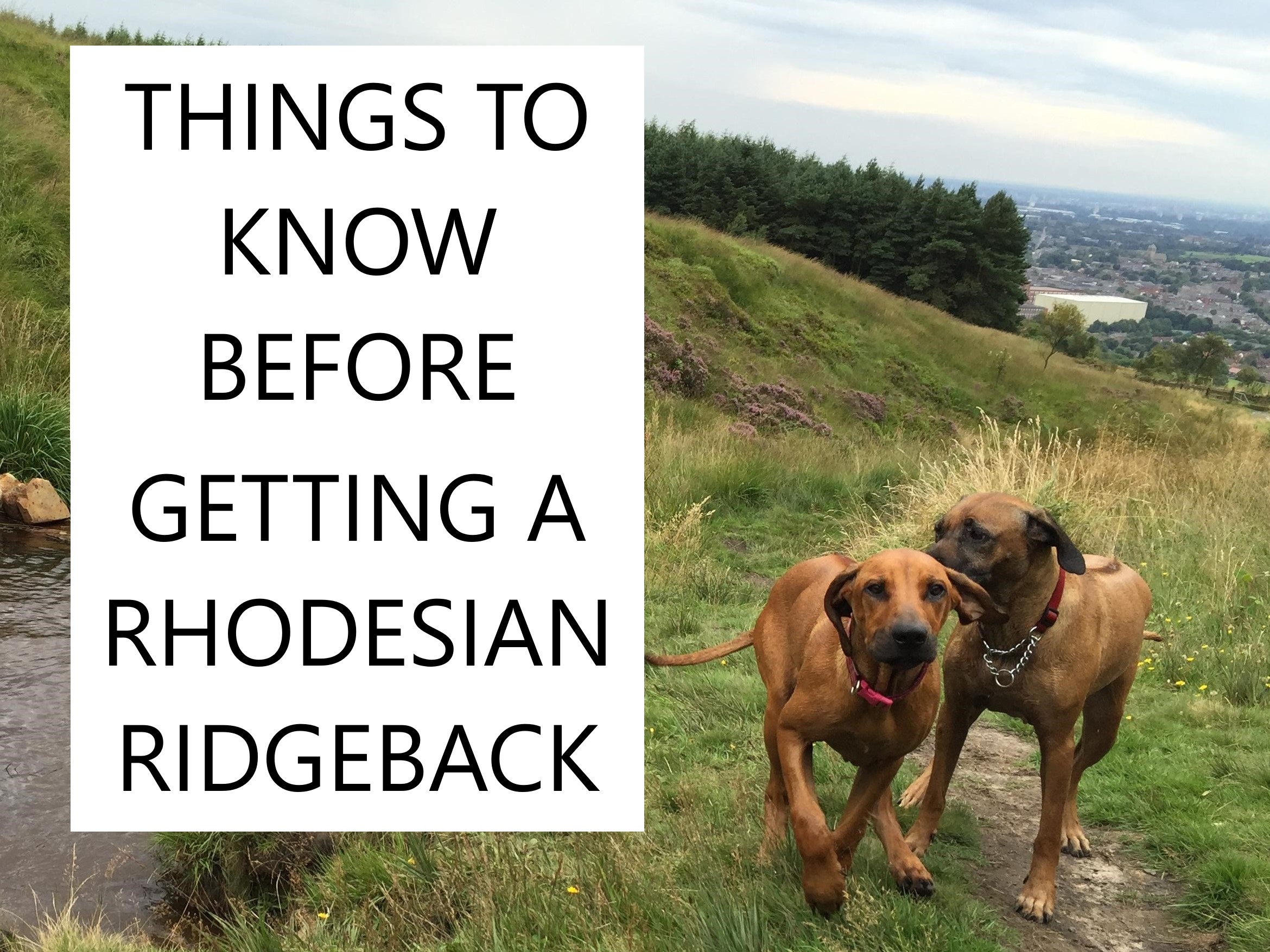
We all know that puppies are adorable. They are these cute little bundles of joy that have paws that are too big and ears that seem they will never grow into. A Rhodesian Ridgeback puppy is just that; in fact they spend most of their lives looking like they will never grow into them.
So, you may be doing research on the breed, or just intrigued to see what this website has to offer. What follows below will hopefully help you make an informed decision as to whether the Ridgeback breed is for you and your family. (I hope it does.) So, what are some of the important things that you will need to know about before getting your first Rhodie puppy? I suppose the first should be: are you ready for a puppy? You need to know where to find a puppy, how to puppy-proof your home, what supplies you need, how to find the vet, and how to find the right trainer and obedience classes.
1. Living With A Rhodesian Ridgeback Puppy?
We all know that puppies are adorable. They are these cute little bundles of joy that have paws that are too big and ears that seem they will never grow into. A Rhodesian Ridgeback puppy is just that; in fact they spend most of their lives looking like they will never grow into them.
- High Energy – Rhodesian Ridgebacks are high energy dogs. They have incredible endurance and can run alongside you on your bike for 10km without getting out of breath, so they can need a lot of exercise. At the very least, they need a long walk three to four times a week, and they need playtime in the yard every day.
- Social – They're very social dogs, and don't do well if they spend long periods of time alone. You need to be able to spend time with the puppy, or at the very least, have another dog for him to play with.
- Socialization – Socialization is incredibly important for Rhodesian Ridgebacks. If they haven't been properly socialized as a puppy, then they tend to be badly adjusted adults. This can result in them being aloof, and unable to cope with other people, animals or places. You need to have a lot of time to socialize your puppy. If you have ever seen two Ridgebacks 'playing' it looks like they are fighting — they are all shoulders and heads. It is wonderful to watch, but change one of them for, say, a cockerpoo, and that dog is going flying. As I know from experience.
- Training – Training is one of the most important things to think about. Your Rhodesian Ridgeback puppy needs consistent training. You should also consider taking your puppy to obedience classes, especially if you've never owned a Rhodesian Ridgeback.
- Food – You need to think about how you would feed the puppy, and how that would change when he reaches adulthood. Rhodesian Ridgebacks are notorious for trying to get extra food, so make sure you're prepared not to give in. There is so much information out there about raw feeding or about mixed (kibble and wet) that you should do your research. Often it is wise to discuss with your breeder and maintain their food type at least until the puppy is settled. Both of my Rhodies have sensitive tummies, and the breed is naturally susceptible to upset tummies. Any change of food should be done slowly.
- Money – Owning a dog can be costly, certainly from the outset you will have the initial outlay for the puppy, then a comfy bed, a crate (if you choose this way), food (as they grow you can easily get through an 18kg bag in a couple of weeks) and vet bills. You should also be prepared for any emergency vet bills as well. Most local vets will have some sort of plan which helps spread the cost of things. This is highly recommended if they do.
- Existing Animals – If you already have another pet in the household then it is probably better to get a puppy. A puppy will be taught by the older pet (sometimes a good thing, sometimes a bad). A puppy can grow up and be well adjusted to the other animals in the home.
- High Prey Drive – It is recommended that you have your Ridgeback on a lead at all times. They often (as they grow) can be an imposing dog — especially as little Linda's pet sausage dog barely comes up to a fully grown Ridgeback's elbow. They can easily become so focused on their 'prey' that they aren't aware of other dangers.
If you are interested in Ridgeback puppies then you have probably already done some research. You have got this far, so what else? Some of the best advice owners give is to talk to vets, and more importantly reach out to breeders. Although some can be stonewall blunt, the majority of Rhodesian Ridgeback breeders are kind, considerate and know what is best for the breed.
2. Finding A Puppy and a Breeder
There are many options for finding a puppy; the more common ones are breeder or rescue.
Rescue Puppy
If you want a rescue puppy, you may need to wait a long time for a suitable one to become available. However, a massive plus in taking on a rescue puppy is that the shelter will match your personality and lifestyle to the puppy's. It means that the dog should fit in well into your household.
As a rescue you don't fully know how the puppy has been treated so early in its life. This could have detrimental, long-lasting issues that, with a loving, caring and welcoming home, can normally be reversed. But for this reason it can put many people off going down the rescue route. But you only need to watch Battersea Dogs Home to understand how much an animal just wants our love, and the transformations that come from being brought into that loving environment.
Breeders
From my experience there are so many different types of breeders. But if a breeder doesn't ask you questions then I would be wary. After all, they are scoping new Mums or Dads for their little fur babies and want to ensure the welfare of their little bundles of joy. You can find lots of information on the Kennel Club about breeders here.
Many people travel great distances to get their puppies. I travelled 200 miles (400 there and back) to pick my recent puppy, Zuri, up. Don't be put off by distance. If the breeder, or indeed the puppy, is right for you, then a little driving is nothing.
A good breeder will have an idea of where the individual puppy should be placed. They will ask questions about your family, about your job or jobs, and how much time you can dedicate to the puppy. These can be awkward questions, but they are not designed to put you on the spot — they are there to ensure the right puppy goes to the right new owner. Some things to think about…
- Gender – You might not care if your puppy is male or female, but if you have an existing dog, you might want to think about getting a dog of the opposite sex.
- Showing – A breeder will have assessed every puppy in the litter and made a decision as to whether they're a pet or a show dog. 'Pet' simply means that the puppy isn't show-quality in appearance, and has no bearing on its temperament or overall health.
- Temperament – A good breeder will have a pretty good idea of the personality of their puppies. Be honest about what you want. The breeder will help you find the right puppy for you and your household.
3. Show Puppies
Show puppies are ones that meet the breed standard. These don't normally become 'pets', as they are treated differently (not in a bad way). I was going to use Zuri as a show puppy; she meets the standard in all respects. However she has JME (epilepsy) and so we thought it wasn't fair on her. There are so many people that will help if you are wanting to go down this route. The breeder will help point you in the right direction — after all, it will be their kennel name you use (and win the trophies with).
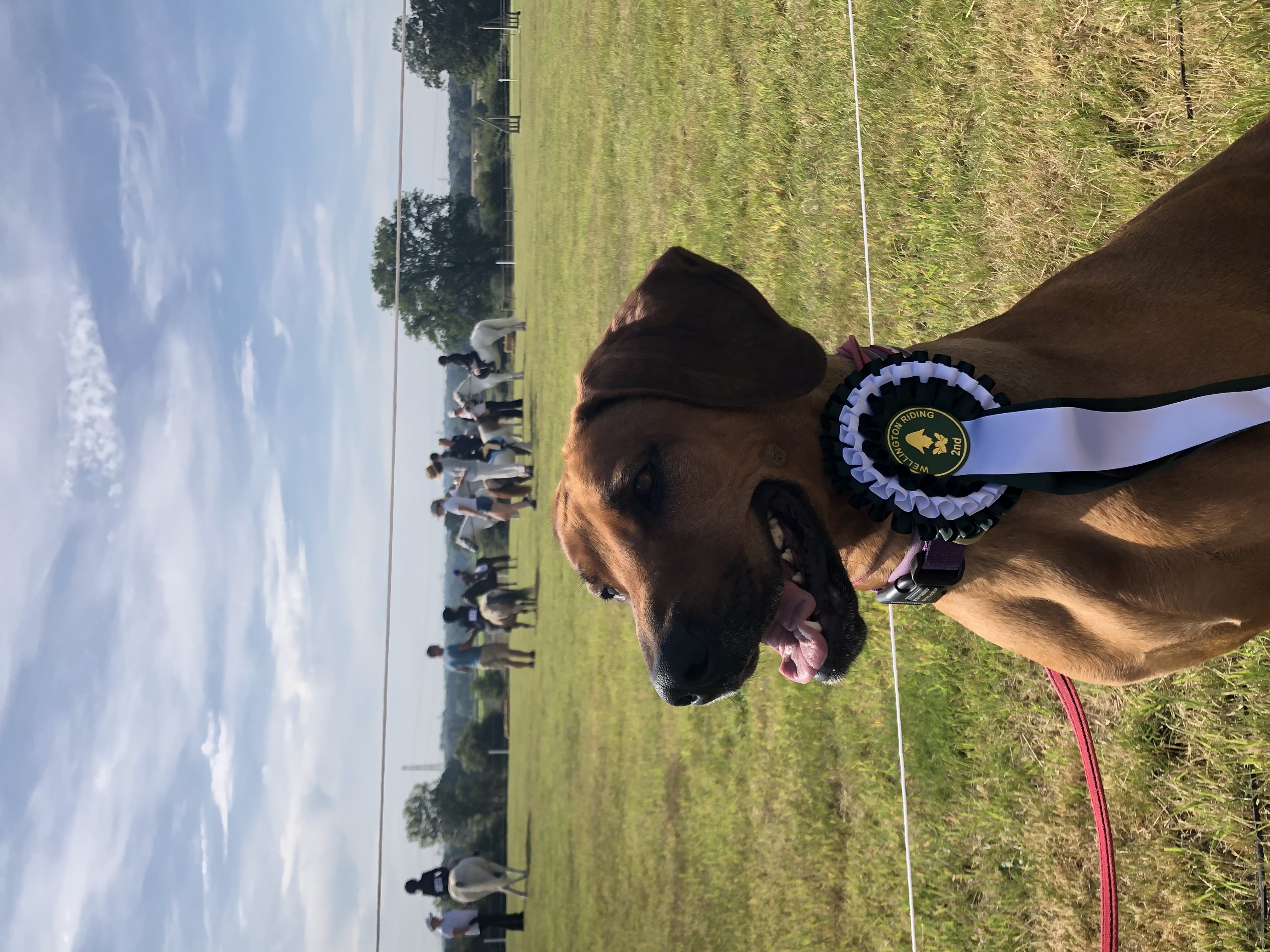
It is essential that you get into obedience classes as soon as you can. Not only from a socialising side of things, but it's how you can start getting into the show world. We had never done proper shows until Zuri was with us at a country show. We entered her and she came second place. Not bad for the first time.
4. Puppy Proofing Your Home
I had a conversation with my mum one day before we brought our daughter (actual daughter, not fur-baby daughter) round. My mother was notorious for having 'clutter' around the house, all of which could be either broken or end up in someone's mouth. We asked her to 'baby proof' her house. The same applies for puppies. Look at what they can chew, nick, swallow!
Just like toddlers put things in their mouths, puppies do the same thing. They taste their world through their mouth. When they teeth, this can be even more destructive. Advice on what else you can do can be found here.
5. Buying Supplies For Your Puppy
Having the opportunity to shop for your new fur baby is pretty fun. You can spend hours and hours looking at various websites or local pet stores. Every pet store will offer friendly advice on what is best suited for you. Remember though that a Rhodesian Ridgeback will grow quickly, so that cute little bed they had on arrival to your home may not fit them in a few months' time. You will absolutely need food and water bowls. There are so many out there, though the better ones are made from ceramic or metal. But again the choice is yours. We use a slow feeder for Zuri from Pets at Home (like these).
- Puppy food – You should stick to the food the breeder is already feeding the puppy. Changing foods can cause stomach upsets. If you do need to change, you'll need to do this gradually. Slowly introduce the food. Mix one part new food to five parts of the old food, and slowly increase until your puppy is getting full bowls of the new food.
- Bowls – You'll need a food bowl and a water bowl. Look for metal or ceramic bowls as they'll be longer lasting. A plastic bowl isn't a good idea, and is likely to get chewed on. You can shop a lot on Amazon.
- Collar and lead – This again is personal preference, but it is wise to seek advice from both the pet store and the breeder. That cute diamante pink collar may look all sparkly and cute, but is probably not suited for a Rhodesian Ridgeback.
- Crate – A crate gives your puppy his own space, which many dogs find calming. Learn about crate training here.
- Blankets – As I mentioned earlier, if you buy the bed that is suited to a larger dog then you can't really go wrong. Blankets help with comfort and can be easily removed to wash.
- Toys – This is a minefield. There are so many to choose from: squeaky, chewy, bouncy, you name it. Try a few different ones. See what your puppy likes.
- Grooming supplies – I have never had any brushes or anything like that. As their coats are short and don't moult too much, I have never needed to use anything like this. I do however use a good quality shampoo and toothpaste, and nail clippers. Again, advice from the shop or the breeder.
- Puppy pads – Accidents happen. Toilet training takes patience. It is not their fault, they don't know yet. Puppy training pads will help.
- Treats – Treats really do help with training. If used correctly, they are a powerful tool. I have found that for Zuri, and when Kiwi was around, we used cheese.
6. Veterinarian
Some people do not have the luxury of many vets in their area. However, it is still worth discussing with your vet about their treatment plans, and what if any experience they have had with Rhodesian Ridgebacks before. If you do have a conversation with your vet then have a few questions in mind…
- How far in advance do I need to make an appointment?
- What is their emergency advice? What should you do if you need the vet out of hours?
- Is there an online ability to book appointments?
- As I have mentioned, many vets have a monthly 'Pet Plan'. This normally covers everything you would need on a regular basis, including six-monthly check-ups and inoculations. Emergency treatment will not be covered by this — this would be covered by your insurance.
- Do they have a preferred insurer? What is their claims policy?
- Can I bring my puppy to meet the vet and see the surgery before the puppy gets any treatment?
7. Training
Ridgebacks are very intelligent. But sending mixed messages is very confusing for them; for example, having mum let them on the sofa, and then other members not letting them on. The alternative to this is association of key words: 'Down!' or 'Off'. But be consistent.
There are many, many puppy classes out there. Do some research in your local area. See what feedback they have had, look into their qualifications. Sometimes it is just someone offering up their large field and letting dogs run loose. Not a good idea, unless everyone and all puppies have met before.
You should be able to come to a class with or without your puppy to see what it is like before entering the training. If it doesn't say anything then ask.
When you see two Ridgebacks playing together it is an amazing sight. They are all teeth and shoulders. You just have to look at some of the videos on my Instagram to see what I mean. This can really be off-putting for smaller dog owners. A good recall will help. I have to say there is nothing better than seeing a Ridgeback in full flow of play and then instantly cutting off to come back by your side. Some things to think about when looking at training:
- Is it a secure area?
- What facilities are available?
- Is it clean?
- Are there progressive training classes?
- How large are the classes?
- Do they use technical jargon or do they tell you at a level you understand?
- Can you have one-to-one sessions?
Training At Home
If you scour the internet there are so many experts out there that they can often contradict each other. One thing that is consistent though is the need for you to be consistent and to ensure you don't lose patience with your puppy. Regular trips outside to go to the toilet will help emphasise the behaviour. Remember, up until this point the puppy is used to mum cleaning up after it, and now you are mum and dad it is on you. My advice: the first few days are difficult, but as soon as puppy has had a drink, something to eat, or is looking like they have 'stopped' suddenly, take them outside. Praise when puppy has done its business. Do not criticise when it has an accident.
With crate training you want to let your puppy associate the crate with a safe and comfy place. You will soon have photos of your fur baby curled up or lying upside down on their bed in the crate. They just need to know it is a safe place and not a place of punishment. Food, toys and bedding will help with this.
Show Training
As mentioned, if you want to show your puppy, you'll need to find showing classes as well as obedience classes. You'll be asking pretty much the same questions as you would when you're looking for obedience classes. However, you will be looking for someone with experience. You'll want someone who has shown dogs, and can guide you through what would be required from your puppy. They'll teach you how to make your puppy stand correctly for judging, in a way that shows off his conformation.
Someone with experience will also be able to talk you through what goes into preparing your puppy for shows. This includes grooming, feeding and supplementation, as well as how you should look in the ring yourself.
Enjoy It!
Having a puppy is fun, and having a Rhodesian Ridgeback puppy is even better. Make sure that you take the time to enjoy your new family member. Spend some time playing with him in the yard. Playing will help build and strengthen the bond you have, but on top of that, it's just fun!